Design Education
The setting is what makes it yours.
A handful of choices shape the whole ring: the setting, the prongs, the band, the metal, and the small details. Here's a quick overview of each.
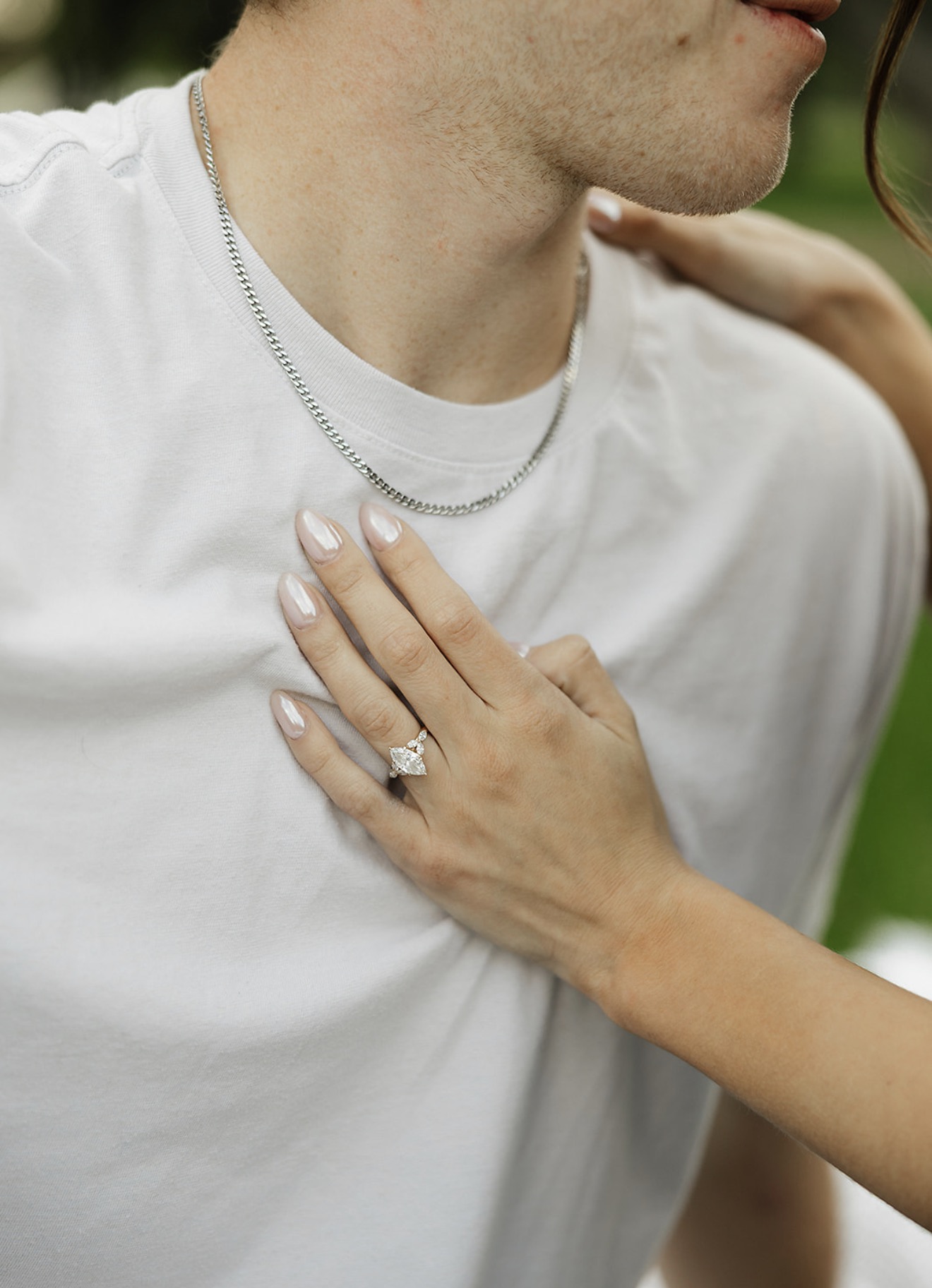
01 / Setting
How the stone is held.
The setting determines how high the stone sits, how much light reaches it, and how protected it is. Most designs are a combination of these.
Prong
A few slim metal claws hold the stone and let light in from every side. The most classic option.
Basket
A structure of metal beneath the stone that supports the prongs and sets the height of the diamond.
Cathedral
Arches of metal rise from the band up to the center stone, adding shape and support from the side.
Bezel
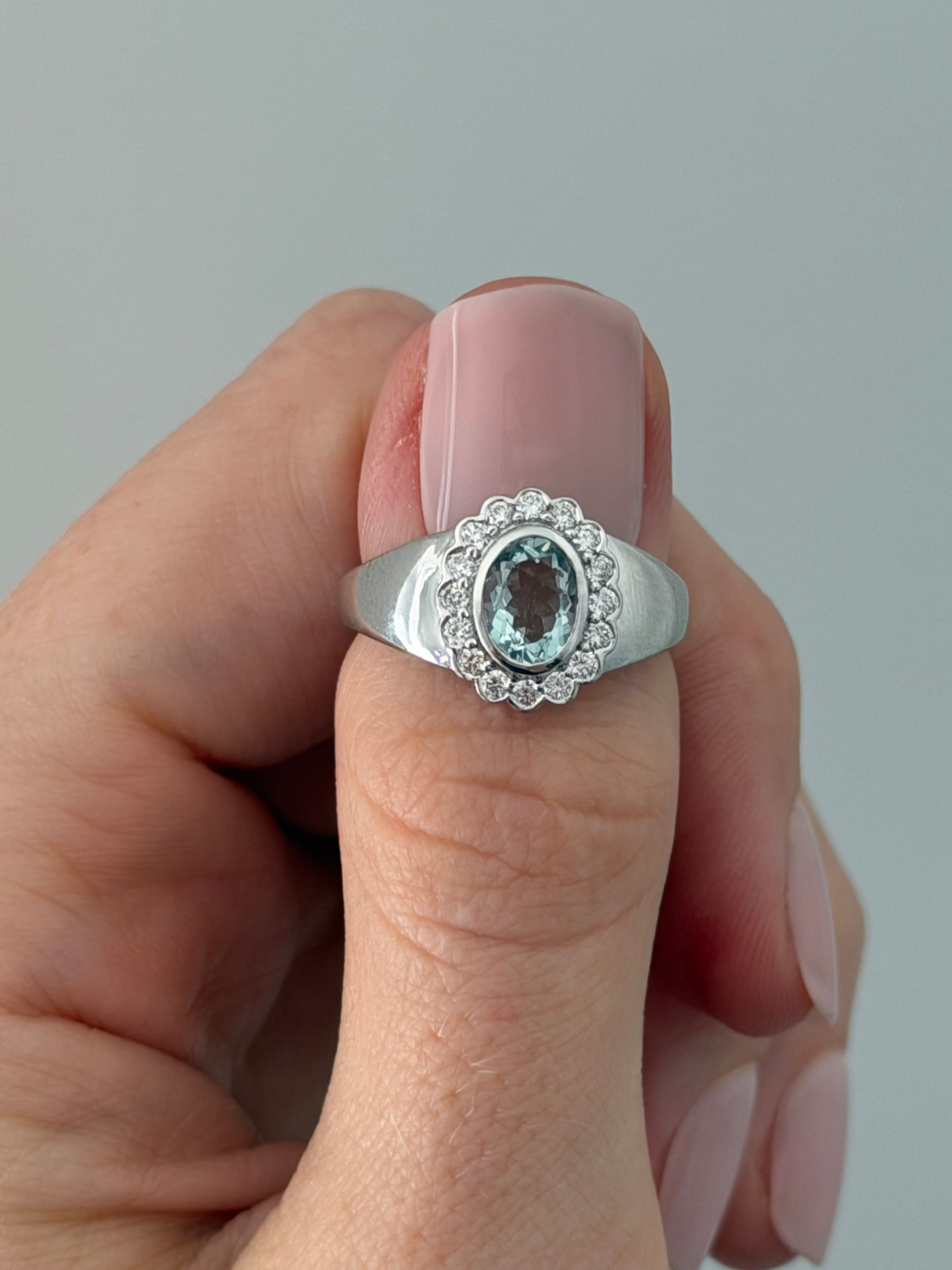
A rim of metal wraps the edge of the stone. Clean, modern, and the most protective option.
02 / Prongs
A small detail you'll see every day.
Prong shape is subtle, but it sets the tone of the whole ring — sharper prongs read modern, softer ones read traditional.
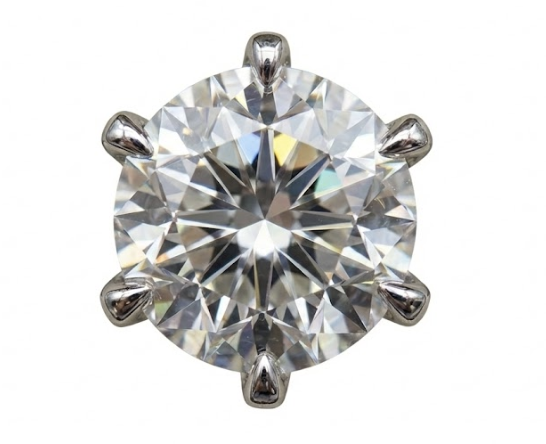
Claw
Tapered and pointed. Sharp and intentional from the top.
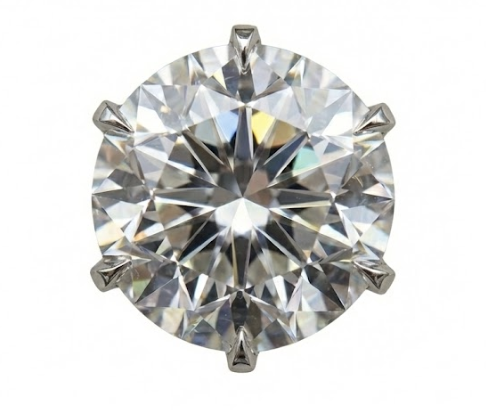
Petite Claw
A finer version of the claw, so more of the stone shows.
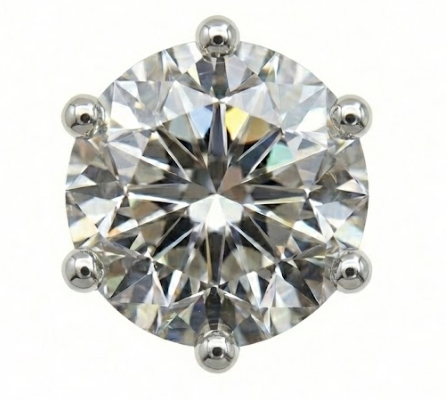
Rounded
Soft, domed tips. The most traditional look.
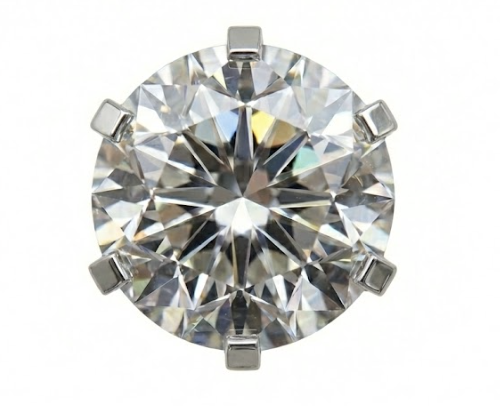
Tab
Flat and squared. Quiet, architectural, very secure.
03 / Band
Width, profile, and shape.
Width changes the whole balance of the ring. Narrow bands make a center stone look larger; wider bands feel more substantial and modern.
Profile is the cross-section — flat bands sit crisp and architectural, while rounded (comfort fit) profiles feel softer on the finger.
Straight or sculptural is the last choice: a clean straight shank, or a twisted, split, or contoured band that shapes around the stone.
04 / Metals
Choosing a metal.
Metal sets the color of the ring and affects how the diamond reads. Warmer metals soften a slightly warm stone; white metals keep everything crisp.
14K Yellow Gold
Warm color with a harder alloy. A practical everyday choice.
18K Yellow Gold
Richer, deeper yellow. Slightly softer than 14K.
White Gold
Bright and neutral. Rhodium plated, so it's refreshed periodically.
Platinum
Naturally white and dense. Develops a soft patina over time rather than plating wear.
Mixed Metal
A white head with a yellow band, or the reverse — a common way to get both looks.
05 / Details
The finishing touches.
These are the small decisions that make a ring feel personal. You don't need all of them — one or two is usually plenty.
- Side stones — tapered baguettes, kites, or small rounds flanking the center
- Hidden halo — a ring of small stones tucked under the center, visible from the side
- Milgrain — a fine beaded edge along the band or basket for a vintage feel
- Engraving — a date, initials, or a short phrase inside the band
- Orientation — a stone set east-west or on a diagonal instead of straight up the finger
- Sculptural bands — twisted, split, or contoured shapes rather than a straight shank
FAQ