Diamond Education
The 4Cs, explained simply.
Cut, color, clarity and carat each affect a diamond differently. Here's what each one means, what you'll actually notice, and where your budget matters most.
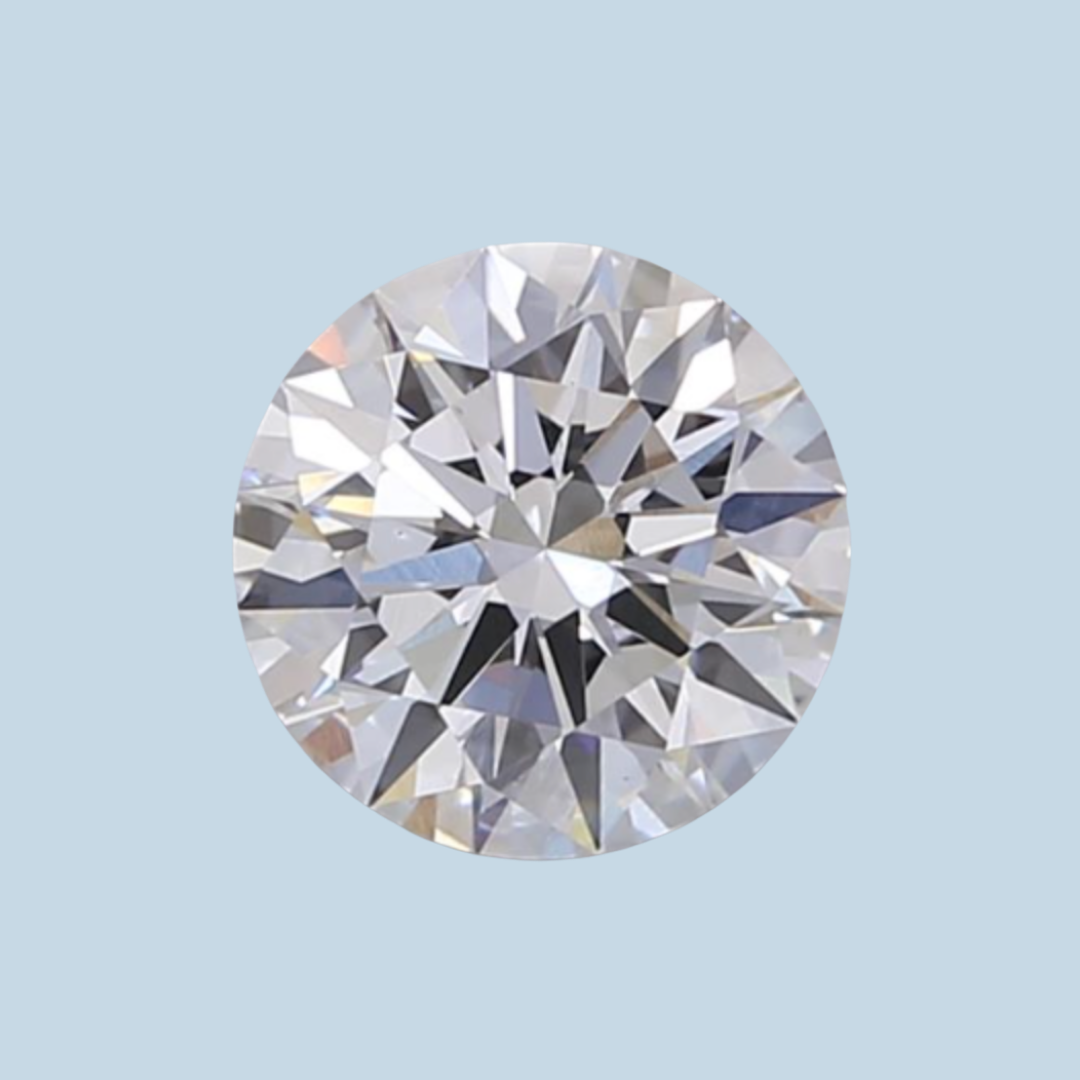
01 / Cut
Cut is the one to prioritize.
Cut describes how well a diamond is proportioned and finished, and it's what drives sparkle and light performance. It's the characteristic you notice first with your own eyes, from across a room.
A well-cut diamond looks bright and lively. A poorly cut one can look flat or dull even when its other grades are excellent. Because of that, a strong cut generally does more for how a ring looks than chasing the very top clarity or color grades.
Where to spend
Start with cut quality, then balance the rest around it.
02 / Color
Color measures how little color you see.
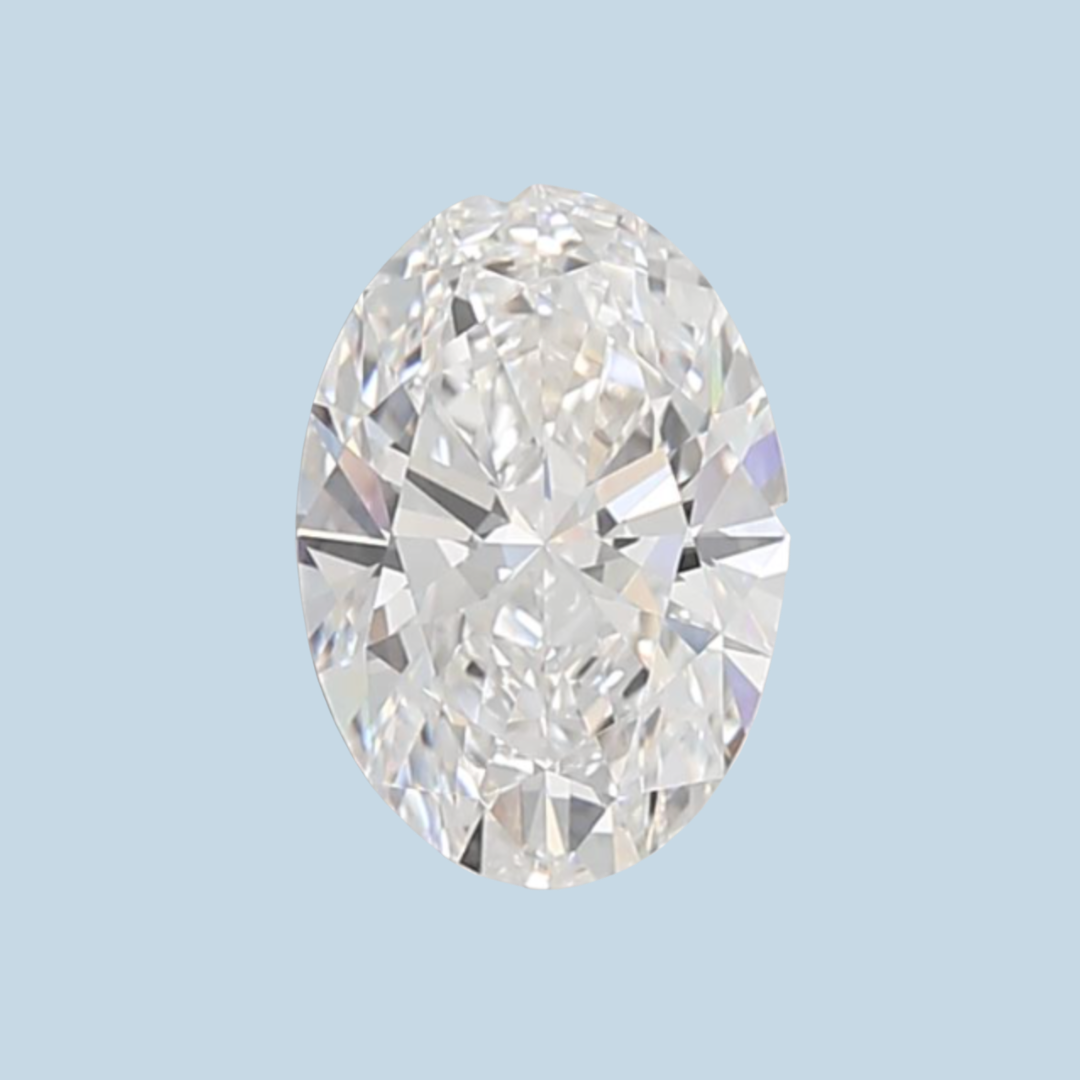
Diamond color grades run from D (colorless) down through the alphabet as a faint warmth becomes visible. Colorless stones look crisp and icy; slightly warmer stones can read soft and golden, especially in yellow gold.
The differences between neighboring grades are subtle, and most people don't need the very highest grade for a ring to look bright and clean. Setting metal matters too — a warmer stone often looks perfectly white in yellow or rose gold.
Where to spend
Choose a grade that looks white to you in the metal you're actually using.
03 / Clarity
Clarity is about inclusions.
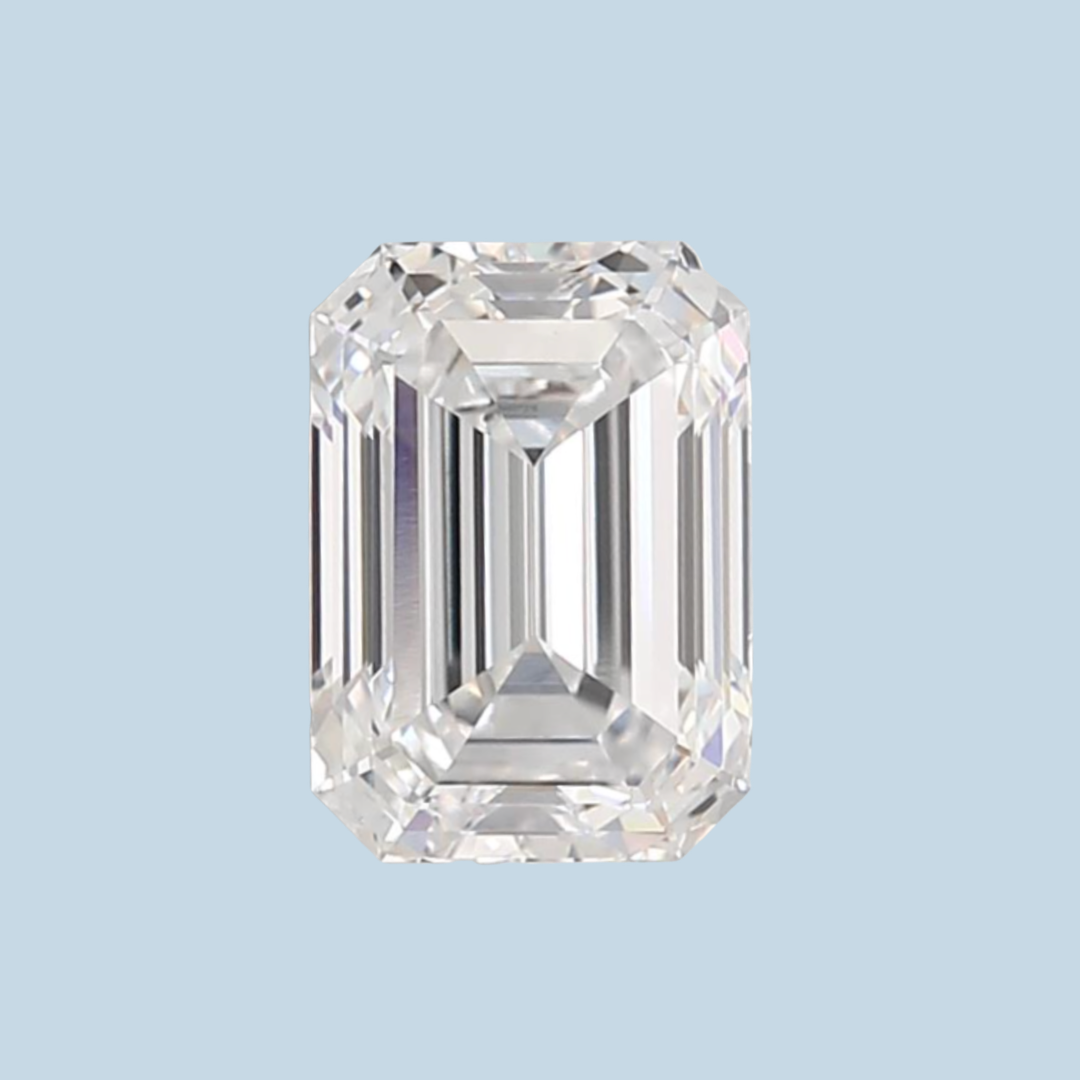
Almost every diamond has small natural characteristics called inclusions. Clarity grades describe how many there are, how large, and how visible they are under magnification.
What matters day to day is whether a diamond is eye-clean — meaning you can't see inclusions without magnification. A technically flawless stone and an eye-clean stone can look identical on the hand, so paying for differences you can't see isn't always necessary.
Where to spend
Eye-clean is usually the practical target, not flawless.
04 / Carat
Carat is weight, not size.
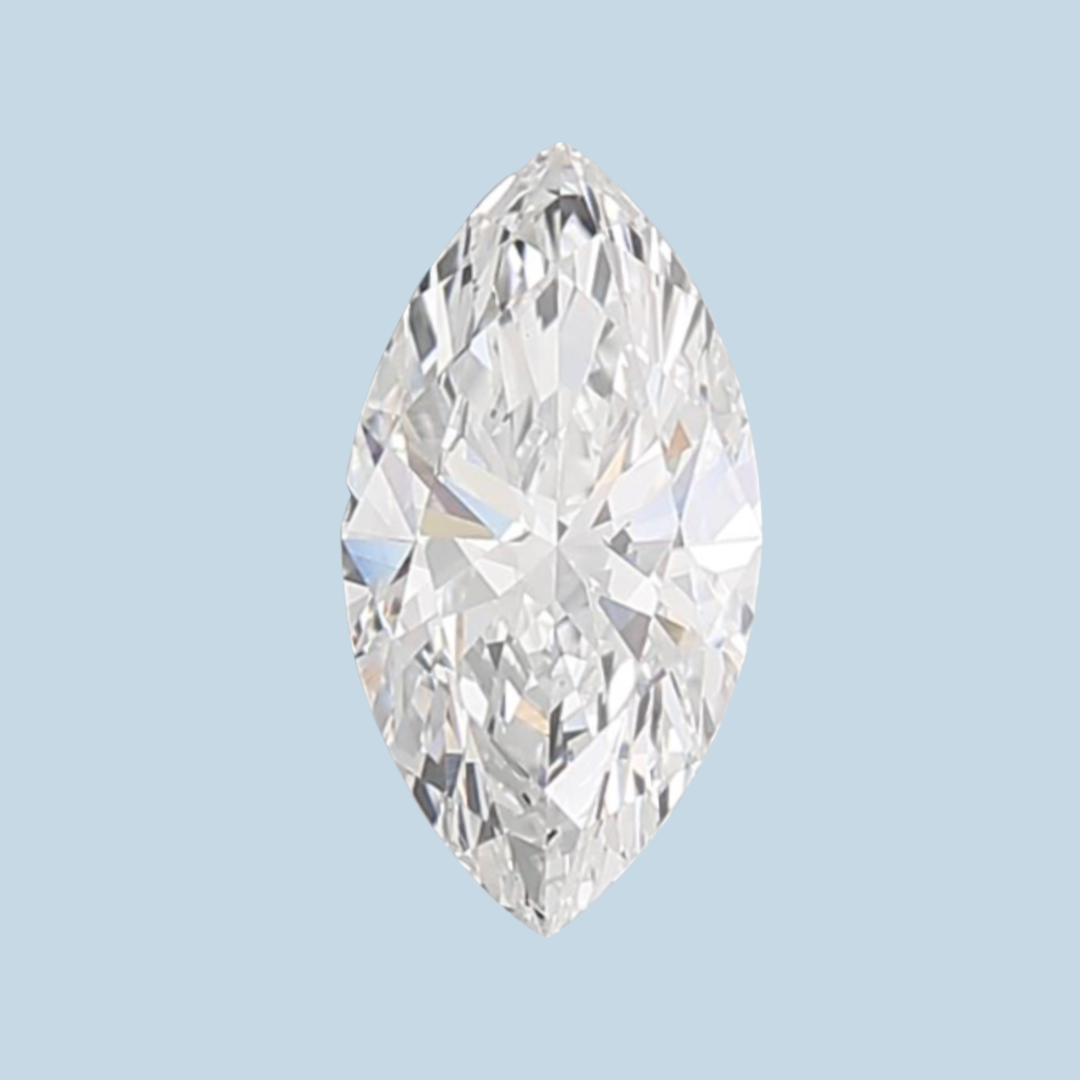
Carat measures a diamond's weight, not how big it looks. Two stones of the same carat weight can look noticeably different depending on their shape and proportions.
Elongated shapes like oval and marquise tend to spread more across the finger, while deeper stones carry more of their weight below the surface. Millimeter measurements — and your own ring size — tell you more about face-up presence than carat weight alone.
Where to spend
Compare millimeter spread, not just carat weight.
Putting it together
What should I prioritize?
Start with cut and overall appearance, then balance color, clarity and carat around your preferences and budget. Grades on paper are a guide — how a specific stone actually looks is what matters.
Cut
Prioritize it. It drives sparkle more than any other grade.
Color
Pick what reads white to you in your chosen metal.
Clarity
Aim for eye-clean rather than flawless.
Carat
Balance size with the shape and spread you love.
FAQ