Diamond Education
Lab-grown vs. natural.
Both are real diamonds. The differences come down to origin, supply, price, and what matters to you.
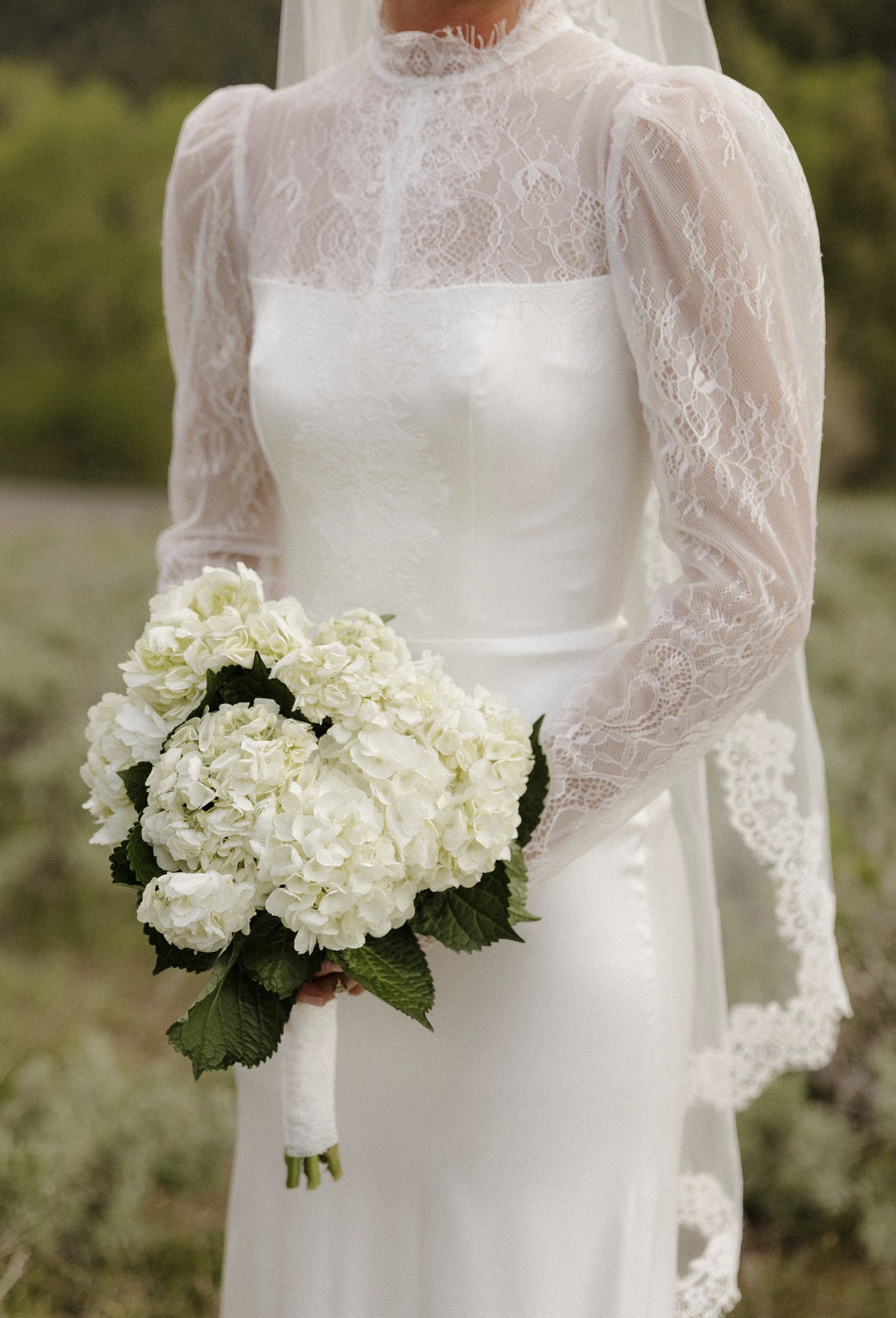
The same
What's the same?
Lab-grown and natural diamonds share the same chemical composition — crystallized carbon — and the same fundamental optical and physical properties. They look the same, wear the same, and are cut and polished the same way.
Both can be graded by gemological laboratories using the same cut, color, clarity and carat scales, and reputable reports state clearly which type a stone is.
The differences
What's different?
Origin
Lab-grownGrown in a controlled environment that reproduces the conditions diamonds form under.
NaturalFormed in the earth over geological time, then mined.
Rarity
Lab-grownCan be produced on demand, so availability isn't limited by what's found.
NaturalLimited by natural supply, which is part of why they're valued.
Price
Lab-grownGenerally costs less for a comparable look, though pricing moves over time.
NaturalTypically higher for a comparable look, reflecting natural supply.
Supply
Lab-grownEasier to find specific combinations of size and specifications.
NaturalEach stone is what it is — options depend on what's available.
Personal preference
Lab-grownAppeals to people focused on size and specifications at a given budget.
NaturalAppeals to people who value geological origin and natural rarity.
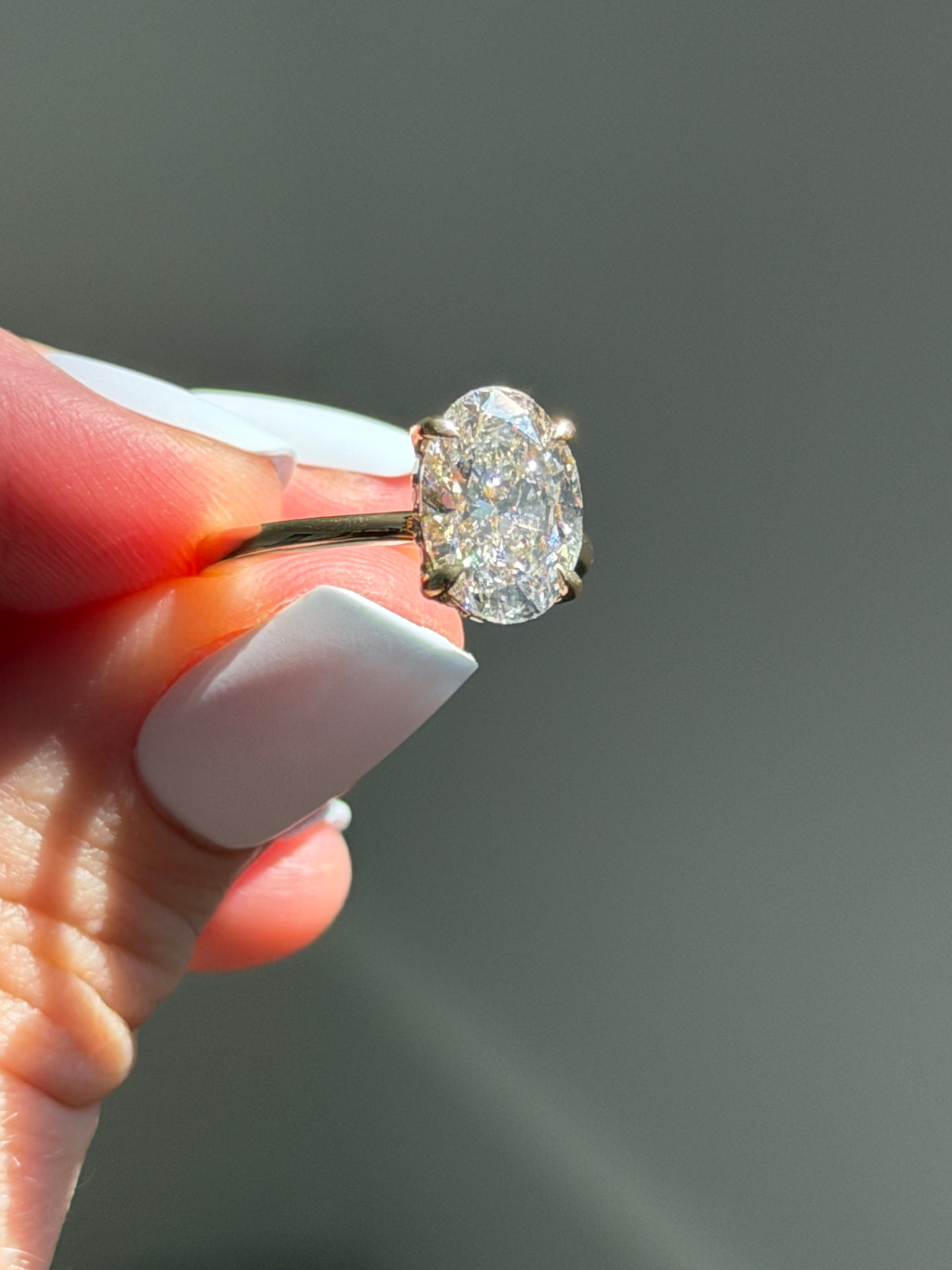
Deciding
Which should I choose?
There's no universal right answer, and we don't push either one. Both make beautiful rings.
Lab-grown may make sense if
You're prioritizing size or specific quality specifications at a certain budget, or you want more flexibility in what's available.
Natural may make sense if
The geological origin and natural rarity of the stone are meaningful to you.
The most useful step is usually comparing real options side by side at your budget, then choosing the stone you like looking at most.
FAQ